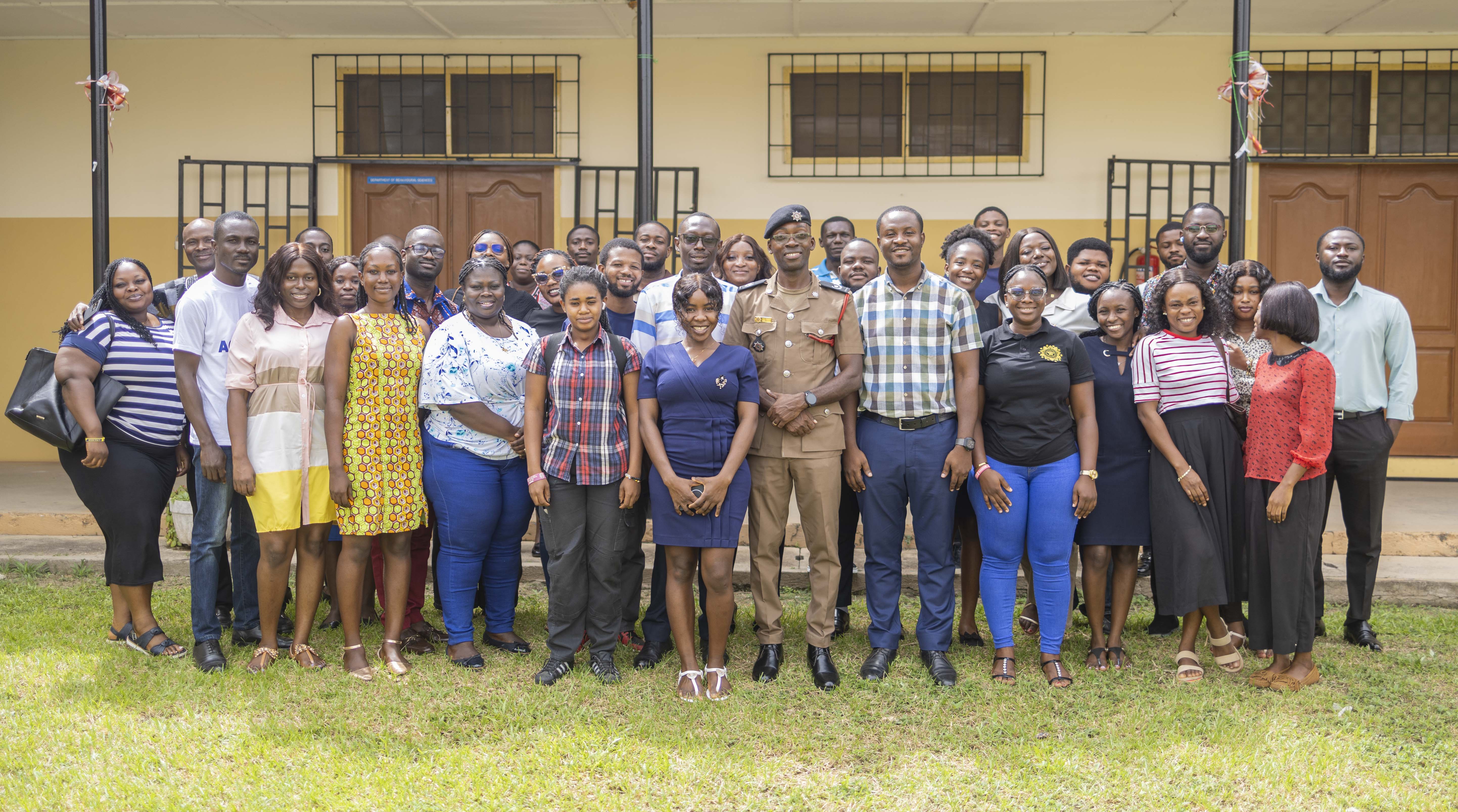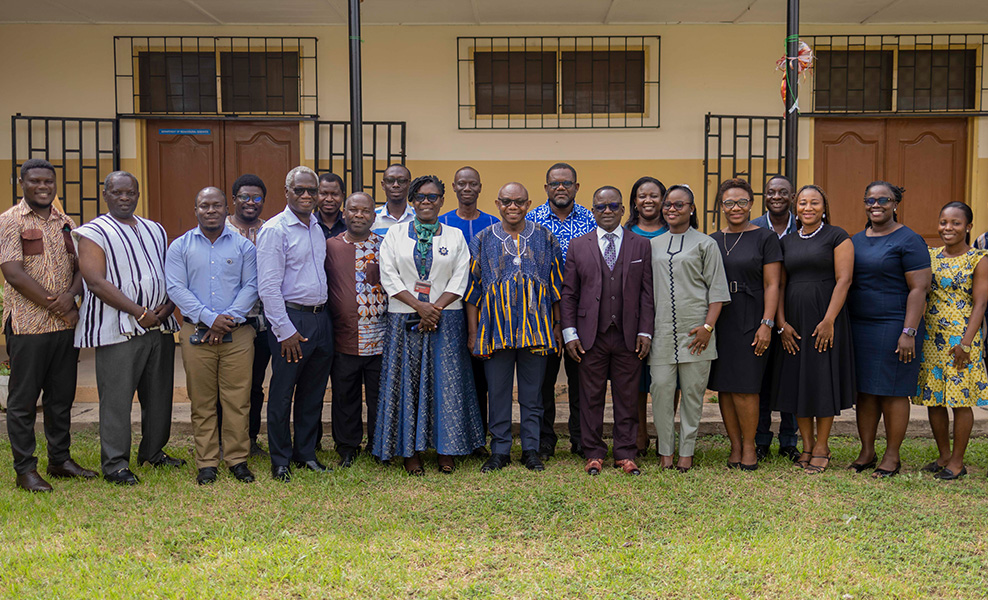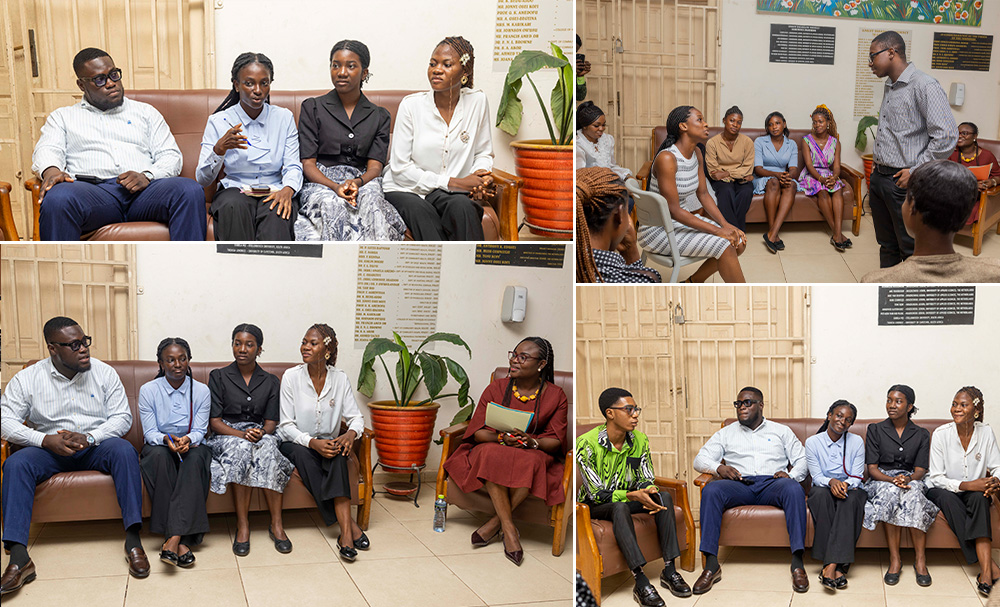
On a typical day, students walk into a lecture hall expecting slides, notes, and a familiar rhythm of instruction. But for second-year students of the Department of Health Promotion and Disability Studies at the School of Public, KNUST, this class felt different from the moment it began.
Instead of opening PowerPoint slides, Dr. Princess Acheampong invited the students to confront a problem one rooted in the realities of disability and livelihoods.
The course, Disability and Livelihoods, co-taught with Dr. Enoch Acheampong, became the setting for a problem-based learning session that shifted the focus from teaching to thinking, and from listening to doing.
Small groups formed across the room as students dissected complex, open-ended scenarios drawn from real-world public health contexts. There were no ready-made answers. Instead, ideas emerged through discussion, debate, and shared reflection.
The aim was not to memorise content, but to understand problems deeply and develop practical responses.
“Problem-based learning is a student-centred teaching method where learners build their knowledge and skills by working in groups to solve real-world problems,” Dr. Princess Acheampong explained. “It allows students to inquire on their own, think critically, and direct their own learning. It’s not about me going there to just lecture. This is a different approach.”
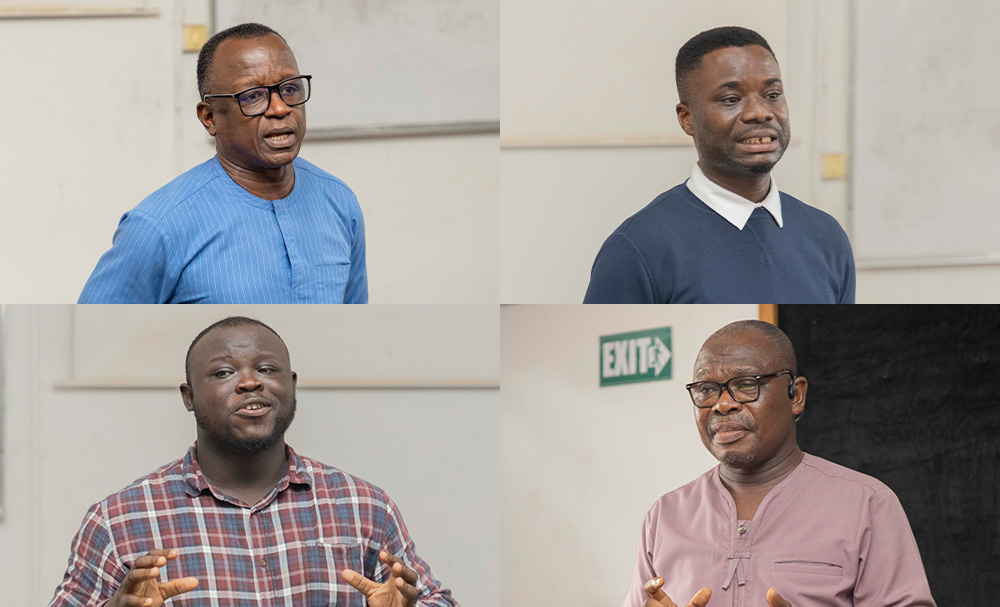
As the discussions unfolded, the class took an unexpected turn. Rather than presenting their findings through slides, each group selected a representative to take part in a panel discussion, simulating the kind of professional exchanges students are likely to encounter beyond the university.
“The questions that would normally be answered through PowerPoint were instead expressed verbally,” Dr. Acheampong said. “This was to help them build confidence and learn how to articulate themselves in public.”
Students gathered around as their peers spoke, challenged ideas, and defended viewpoints, while classmates watched, listened, and offered support. The atmosphere was both intense and encouraging, a space where learning was visible, active, and shared.
According to Dr. Acheampong, the goal went beyond academic assessment. “We invited their mates to observe and cheer them on so they could gain exposure,” she explained. “This prepares them for real-world settings when they are working, where they must speak up, collaborate, and think on their feet.”
The session also reflects broader efforts within the College of Health Sciences to adopt innovative teaching methods that prioritise critical thinking, communication, and practical relevance.
Story by: Edith Asravor