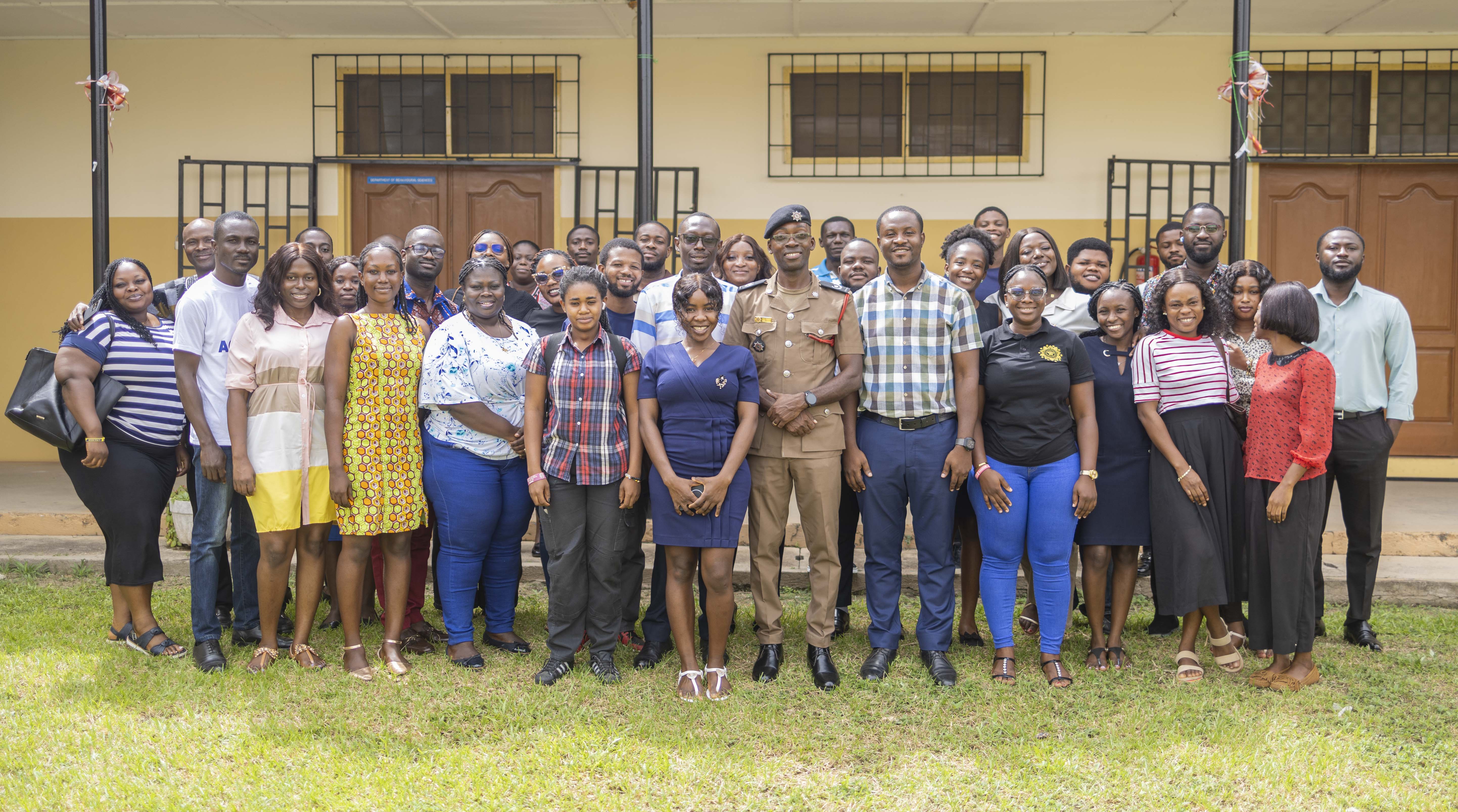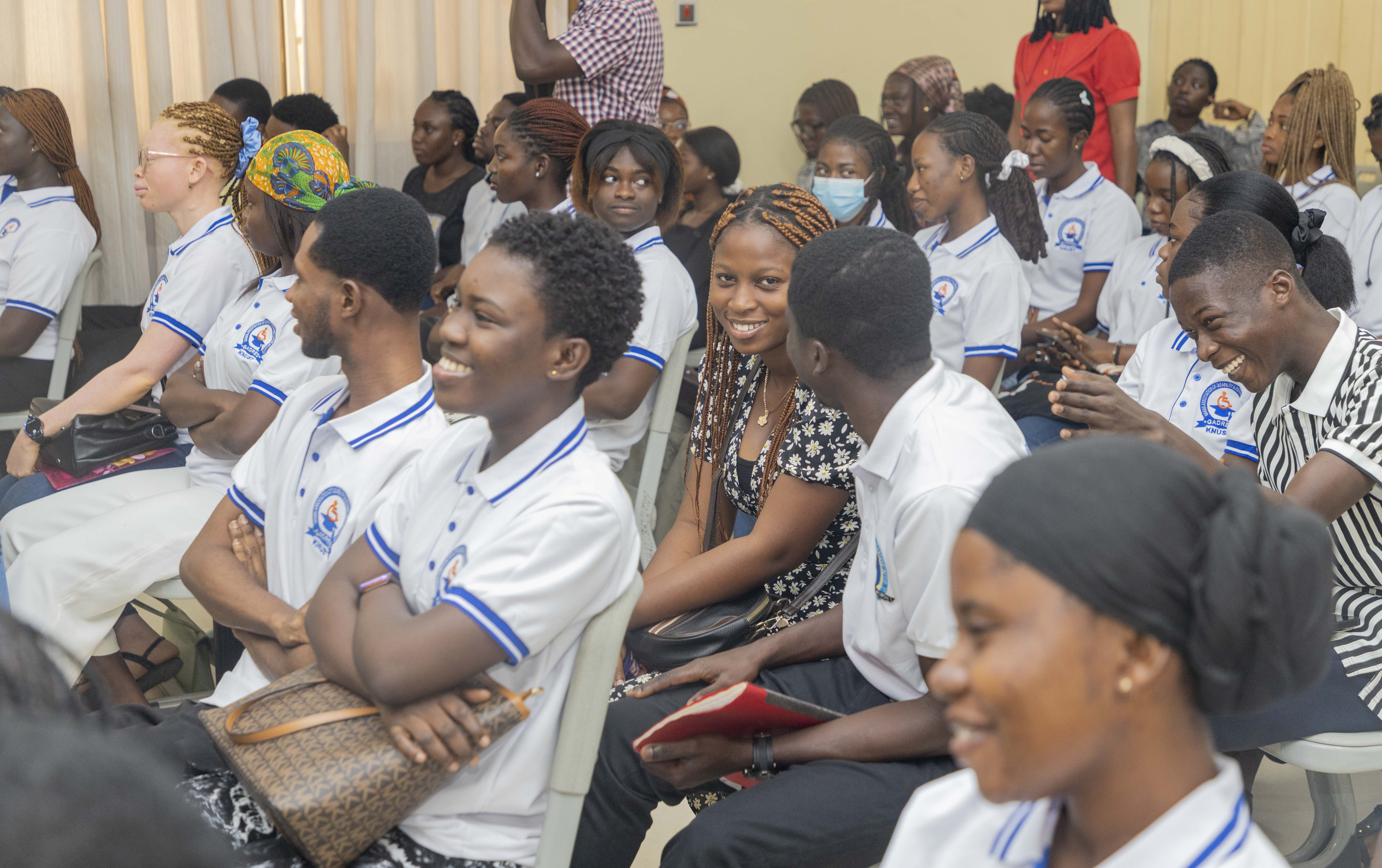
Freshmen of the Department of Health Promotion and Disability Studies at the Kwame Nkrumah University of Science and Technology (KNUST) have been urged to seek academic and personal support early, build confidence in their programme and embrace a strong research culture as they begin their university education.
The call was made during an orientation programme organised for newly admitted students, where officials of the School of Public Health outlined academic expectations, institutional values and career pathways in health promotion and disability studies.
Dean of the School of Public Health, Professor Peter Agyei Baffour, encouraged students not to endure challenges in silence, assuring them of the school’s readiness to provide support.
“Do not sit there and suffer. Come to us. We are ready for you,” he said, encouraging students to approach faculty members whenever they faced academic or personal challenges.
Professor Baffour also advised the students to balance academic work with social engagement, urging them to build networks, participate in campus life and remain disciplined. He assured them that the university would do everything within its means to ensure a smooth academic experience.

Professor Emmanuel Brempong, Lecturer at the Department of Health Promotion and Disability Studies, outlined the mission of the School of Public Health, describing it as a drive to become a competitive centre of excellence in public health training, research and community service in Africa and beyond.
He emphasised that research was central to the school’s work, noting that quality teaching depended on strong research output. According to him, the school aims to train “thought leaders” who are knowledgeable, influential and capable of shaping policy and practice in public health.
Professor Brempong also highlighted the school’s core values, including respect for diversity, integrity and responsible stewardship of resources, warning that academic dishonesty would not be tolerated.
School Examination Officer, Dr Enoch Acheampong, briefed students on academic regulations, stressing that course registration both online and biometric was mandatory before students would be allowed to sit for examinations.
He explained that continuous assessment would include fieldwork, group assignments, reports and presentations, which together would contribute 30% of a student’s final grade, alongside end-of-semester examinations.
Lecturer at the department, Dr Princess Acheampong, encouraged students to build confidence and take ownership of their academic journey, regardless of their background.
“You are already here, and you must make it,” she told the students, urging them to change negative narratives about themselves and their programme and to approach their studies with confidence and pride.
Part-time lecturer and founder of Alera Rehabilitation and Sport Centre, Dr Abena Yeboaa Tannor, highlighted career opportunities available to graduates in disability and rehabilitation, both locally and internationally.
She pointed to opportunities within the Ghana Health Service, non-governmental organisations, ministries, district assemblies and emerging areas such as parasports and disability inclusion. She urged students to think beyond their immediate environment and explore global prospects through research, further studies and professional development.
Dr Tannor cautioned students against limiting themselves and stressed the importance of acquiring practical skills, noting that graduates could work in clinical, community and international settings even without becoming physiotherapists or speech therapists.