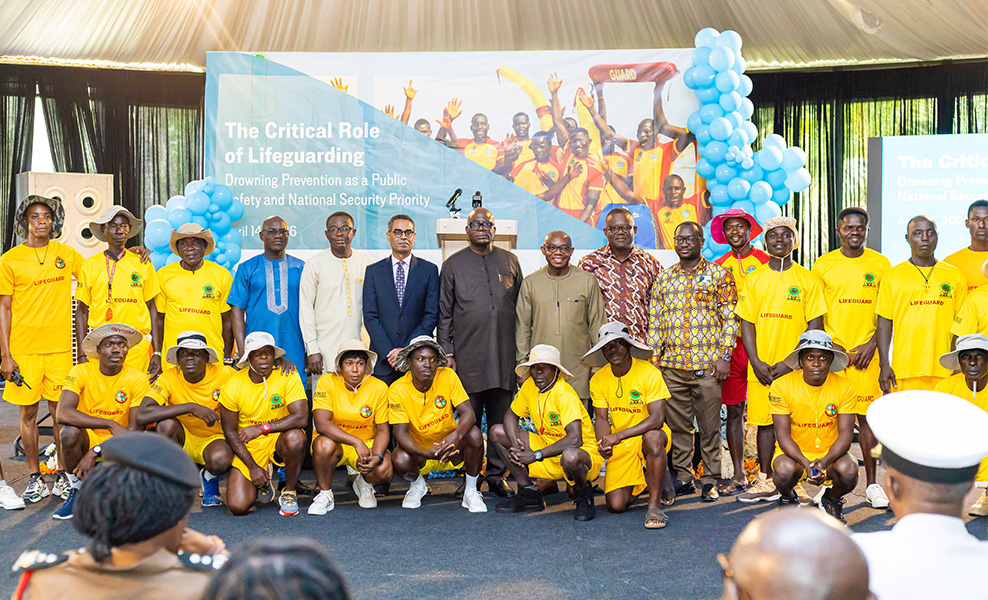
For many in Accra, a day at the beach means fun in the sun. But it can turn tragic without warning. With an estimated 1,400 drowning deaths occurring in Ghana each year, mostly from casual swims, a new national effort is underway to make the country’s waters safer.
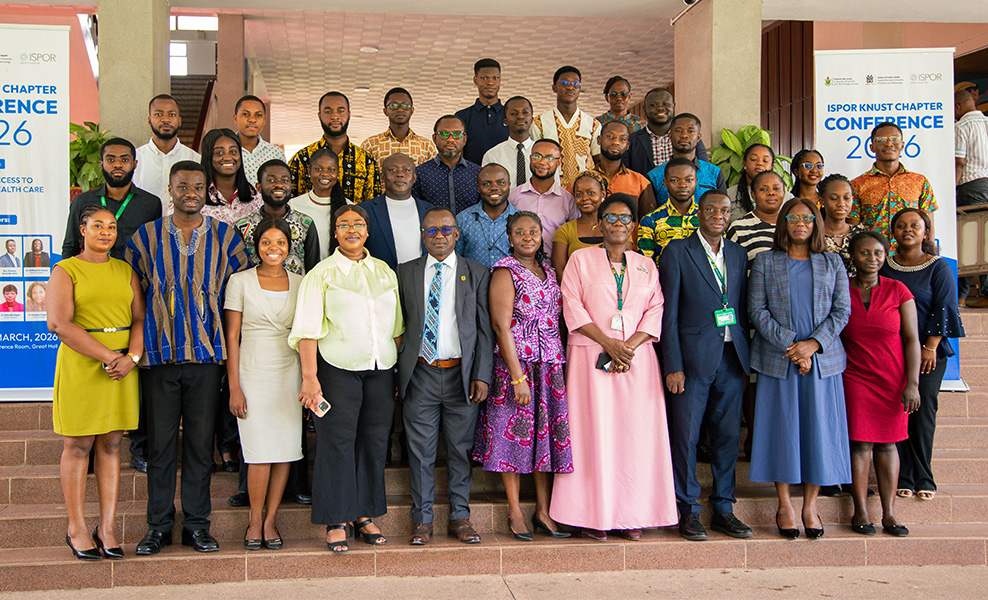
With support from Bloomberg Philanthropies, the Johns Hopkins International Injury Research Unit (JH-IIRU) is partnering with the Kwame Nkrumah University of Science and Technology (KNUST) School of Public Health, along with national and local stakeholders, to launch a community-led lifeguarding program for ocean beaches in Accra. JH-IIRU and KNUST will co-lead an implementation-effectiveness study on the lifeguarding program to inform adaptations and expansion of the program with the long-term goal of local ownership and sustainability.
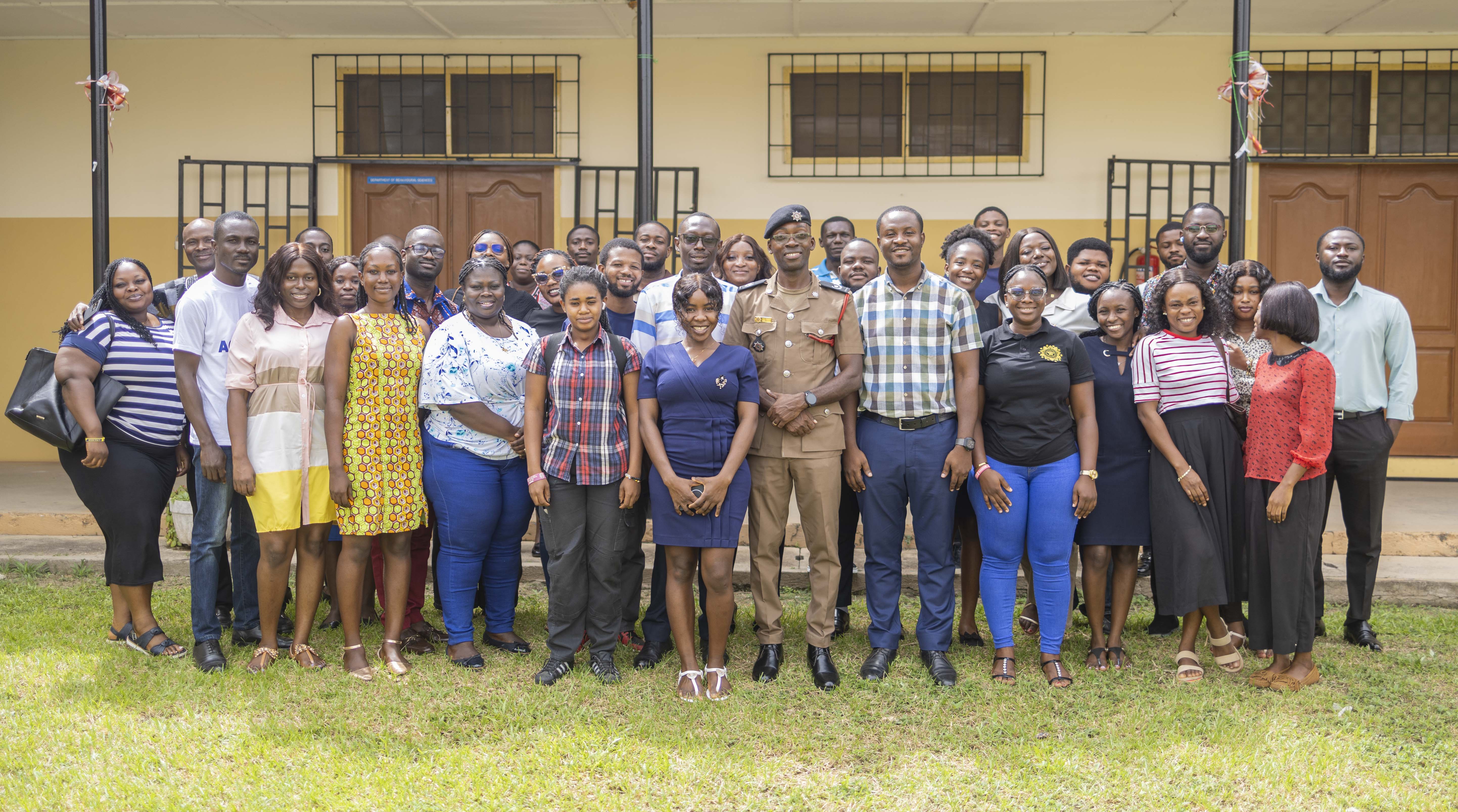
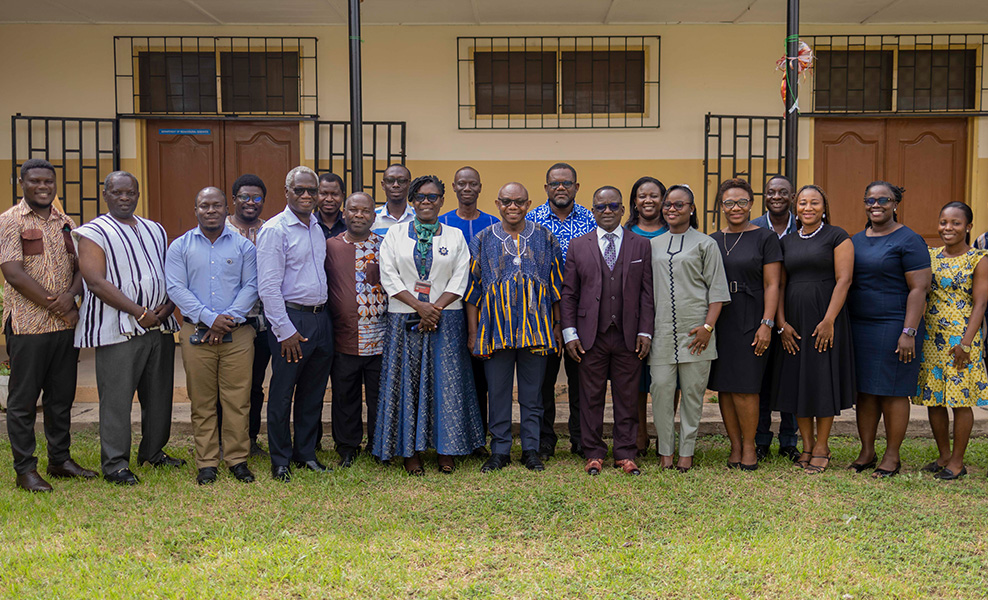
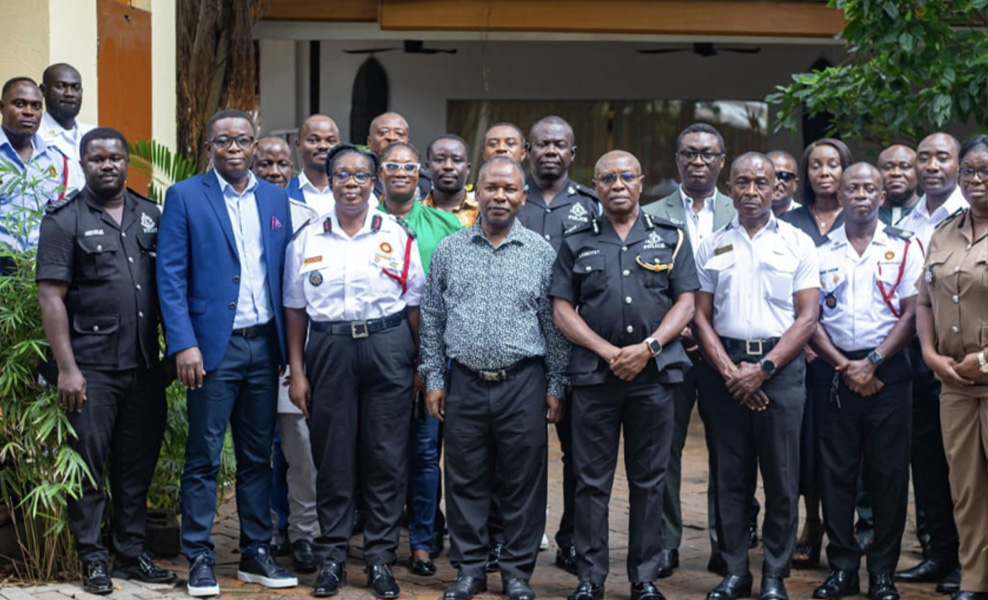
In October 2025, a pivotal workshop led to the creation of the National Coordination Board on Drowning Prevention for Ghana. The board brings together a strong coalition, with representatives from:
- The Ghana National Fire Service (GNFS)
- The Ghana Ambulance Service
- The Ghana Police Service
- The Ghana Maritime Authority
- The National Disaster Management Organisation
- The Ghana Navy
- District municipalities/assemblies
- Universities
- Nongovernmental organizations (NGOs)
Their shared mission is to blueprint a safer future for Ghana’s waters. Their top priority: Stationing trained lifeguards along Greater Accra's bustling coasts, where many incidents occur.
Deputy Chief Fire Officer Heroine Sekyere Boakye, representing GNFS's Acting Chief, labeled drowning a "silent killer" that demands action. "Safety isn't just about fires—it's all hazards, including water," she stressed, pushing for better equipment and emergency coordination.
The workshop delivered key outcomes to advance drowning prevention efforts in Ghana, including identifying essential rescue gear, designing lifeguard strategies for Accra beaches, establishing a board led by KNUST and GNFS, creating a lifeguard training curriculum, and improving coordination among partner organizations. Stakeholders were aligned in translating plans into life-saving action. Professor Emmanuel Nakua of KNUST's School of Public Health echoed the call, emphasizing that the board “will spotlight lifeguard training, tools, and campaigns reaching schools and neighborhoods. Drowning won't be ignored anymore." Boakye closed with a rally: "Implementation is key. Together, we'll make every rescue possible and every beach safe."
This initiative marks a turning point for water safety in Ghana and has the potential to transform Accra's shorelines. Through the commitment of government agencies, academic leaders, and NGOs, the National Coordination Board is laying the foundation for a safer aquatic future. By training lifeguards and emergency responders and engaging community members through awareness campaigns to promote water safety, Ghanaians will be equipped to make sure no day at the beach ends in tragedy.