The Kwame Nkrumah University of Science and Technology, through its technical expertise and commitment to public health and safety, has played a key role in supporting Ghana’s newly launched national lifeguarding initiative aimed at reducing drowning incidents and improving safety along beaches and other water bodies across the country.
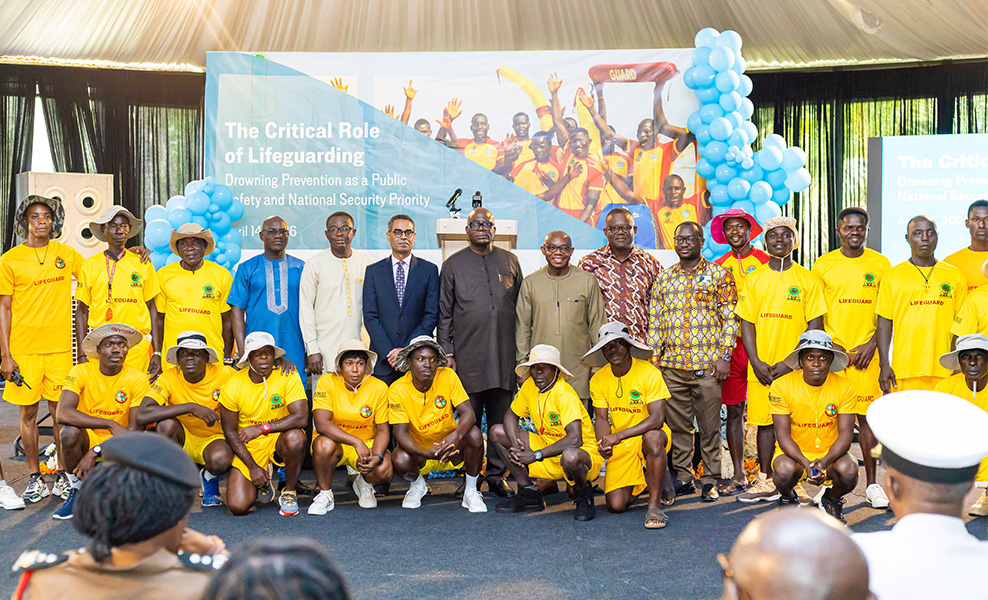
The initiative, officially launched on April 14, 2026, at the Labadi Beach Hotel, was led by the National Coordination Board for Drowning Prevention with technical support from KNUST and the Johns Hopkins International Injury Research Unit, alongside support from Bloomberg Philanthropies.
The launch brought together representatives from national security agencies, emergency services, local government authorities, development partners, and coastal communities, all united by a shared commitment to tackling drowning, a major but preventable public safety challenge in Ghana.
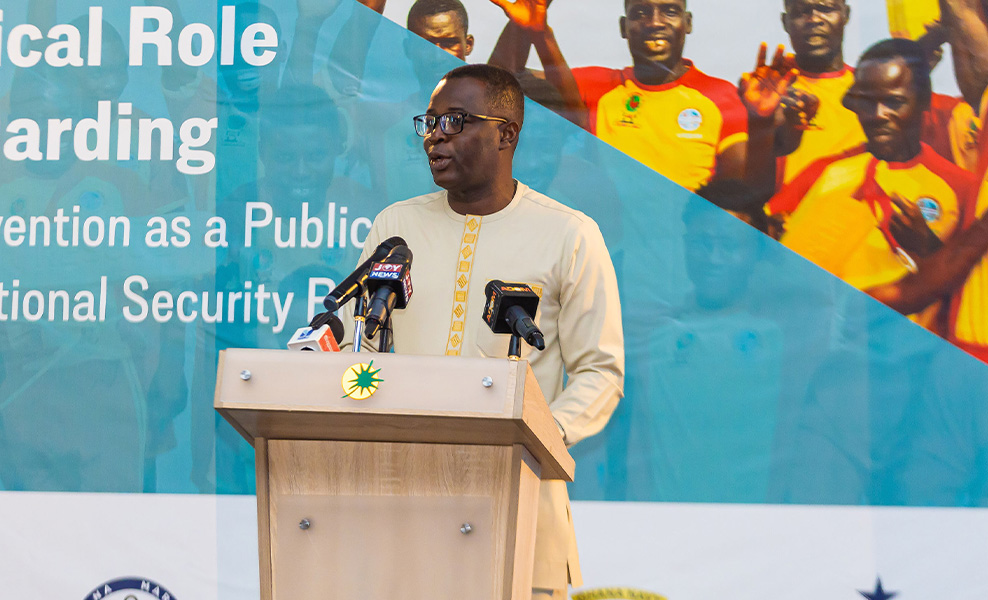
Speaking at the event, the Deputy Minister for the Interior, Ebenezer Okletey Terlabi, who served as Guest of Honour, stressed the urgent need to address drowning as a national concern. He noted that drowning remains a persistent threat to many communities, particularly among children and young people, who continue to be disproportionately affected.

According to stakeholders, an estimated 1,400 lives are lost annually to drowning in Ghana. However, these deaths can largely be prevented through coordinated interventions, public education, and the deployment of trained rescue personnel. The initiative therefore seeks to introduce practical and sustainable measures, including the deployment of trained lifeguards, improved beach safety systems, and stronger institutional collaboration to prevent drowning before it occurs.
As part of the early implementation phase, 21 trained lifeguards have already been deployed within the La Dade Kotopon Municipality across Laboma, La Pleasure, and Acapulco beaches in the Greater Accra Region. The lifeguards have undergone professional training in water rescue, CPR, first aid, and risk assessment, and are currently employed and paid by the municipal assembly, an approach stakeholders describe as essential for long-term sustainability.
The initiative is built on strong multi-sector collaboration involving institutions such as the Ghana Navy, Ghana National Fire Service, Ghana Police Service, National Ambulance Service, and the National Security Council Secretariat, alongside local government authorities and community stakeholders.
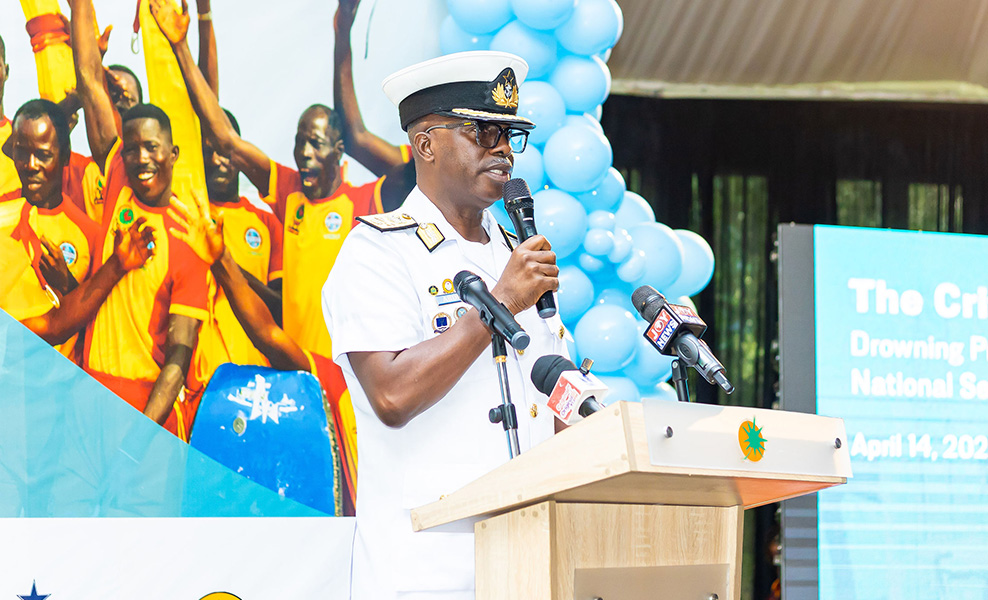
Speaking on behalf of the Ghana Navy, Commodore Ben Baba Abdul emphasized the importance of collective action in addressing drowning prevention, noting that protecting lives around water bodies requires a united national effort.
A major highlight of the launch was the inauguration of the National Coordination Board for Drowning Prevention, which is expected to provide strategic leadership and coordinate nationwide efforts toward drowning prevention and water safety education.
KNUST’s involvement in the initiative reflects the University’s growing contribution to public health interventions, injury prevention research, and community safety initiatives. Through partnerships with local and international institutions, KNUST continues to support evidence-based solutions that improve health outcomes and strengthen national development.
The event also highlighted the importance of community participation, with cultural performances and local engagement reinforcing the shared responsibility of ensuring safety around water bodies.
As Ghana advances efforts to reduce preventable deaths, the national lifeguarding initiative marks a significant step toward creating safer beaches and water environments for citizens and visitors alike.